
Primary Arabic Language Studies
Purpose
Our purpose at Al Amanah College is to provide a high-quality, structured Arabic language education that meets NSW curriculum standards while ensuring that learning is engaging and relevant to students’ daily lives.
At the heart of our initiative is the commitment to:
- Promote Arabic literacy through an engaging and culturally rich curriculum, which focuses on reading, writing, speaking, and listening skills
- Align the curriculum with NSW NESA requirements to ensure quality education
- Empower educators with structured lesson plans and professional developments
- Enhance student learning with interactive activities and assessments for better language retention
- Encourage cultural awareness by integrating Arabic traditions, stories, and values
- Engage parents in their child’s Arabic language journey
Curriculum Framework
Our curriculum follows the Arabic K–10 Syllabus set by NESA, ensuring that students progressively develop their Arabic language skills in a structured manner, ensuring:
🔹 Progressive learning from foundational skills to advanced proficiency
🔹 Integrated learning outcomes aligned with the NSW curriculum
🔹 Focus on language skills: listening, speaking, reading, and writing
🔹 Cultural awareness embedded within the teaching approach

Early Stage 1 (Kindergarten)
Introduction to Arabic letters, sounds, and basic greetings.
Stage 1 (Years 1–2)
Stage 2 (Years 3–4)
Stage 3 (Years 5–6)
Teaching Resources
Teachers play a crucial role in shaping students’ Arabic learning experiences providing structured support through:
🔹 Comprehensive guides for each stage of learning.
🔹 Multimedia Resources: Arabic educational videos, songs, and interactive activities.
🔹 Flashcards & Posters: Printable visuals for classroom engagement.
🔹 Assessments that are aligned with NESA standards for tracking progress.

Assessments
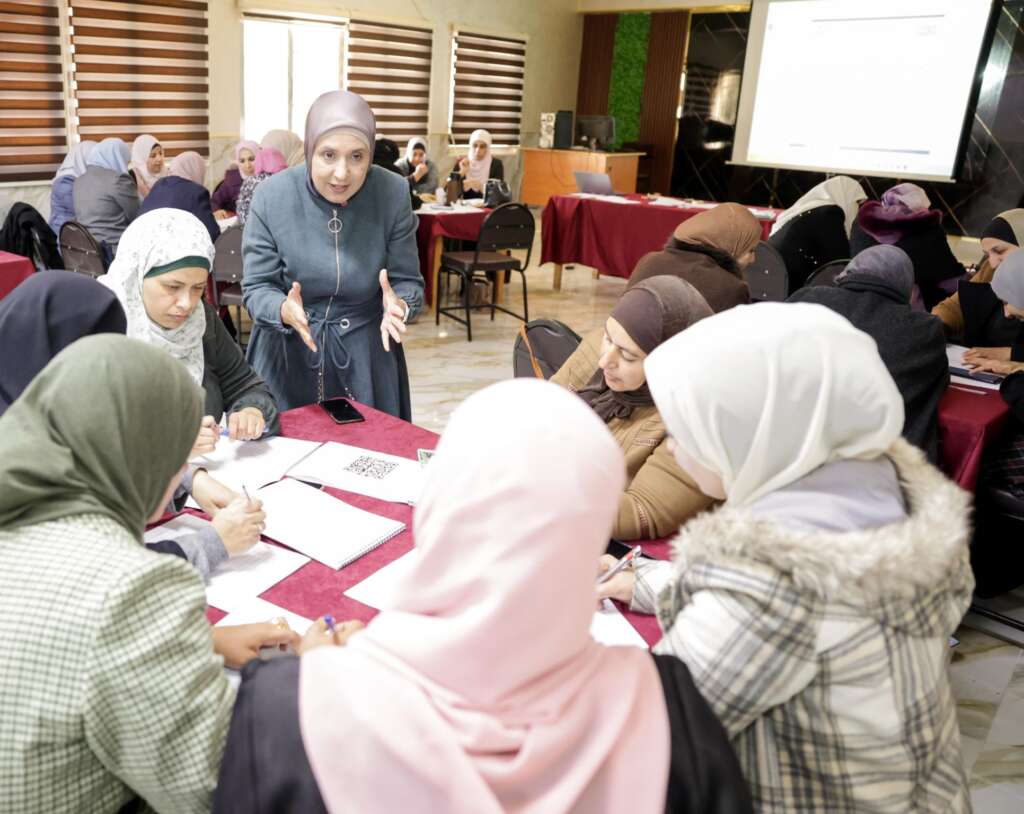
Assessments and homework are essential components of effective Arabic language learning. They ensure that students develop proficiency in reading, writing, speaking, and listening while aligning with the NSW NESA Arabic K–10 Syllabus. These activities reinforce learning, track progress, and provide valuable feedback for both students and teachers.
Assessments in Arabic are designed to:
- Measure student progress in key language skills
- Identify strengths and areas for improvement
- Encourage continuous learning and revision
- Ensure alignment with NSW NESA Arabic syllabus outcomes
Types of Assessments Used
At Al Amanah College, we emphasize a balanced assessment approach that includes:
Formative Assessments (Ongoing Learning Checks)
- Teacher observations
- Class discussions in Arabic
- Short quizzes on vocabulary and grammar
- Oral presentations
Summative Assessments (Formal Evaluations)
- Term exams (reading, writing, listening, and speaking)
- Writing tasks (essays, reports, creative stories in Arabic)
- Listening comprehension tasks (responding to audio recordings)
- Speaking assessments (conversations)
Assessment Tools
Worksheets & Quizzes: Covering reading, writing, speaking, and listening skills
Student Progress Trackers: Ready-to-use templates for recording student learning
NESA Assessment Criteria: Guidelines to ensure students meet NSW curriculum standards
Homework
Homework plays a critical role in strengthening Arabic skills outside the classroom. It allows students to:
- Practice new vocabulary and grammar in real-life contexts
- Develop independent learning skills
Improve retention and recall of Arabic concepts - Prepare for assessments and classroom participation

For Students
Arabic learning should be fun and engaging! Hence, in our classes, we provide a range of interactive tools including but not limited to:
E-Learning Modules
Fun and engaging online lessons:
- Step-by-step Arabic reading and writing lessons
- Interactive pronunciation guides with audio recordings
- Digital flashcards for learning vocabulary
Reading & Writing Exercises
Practice activities for language development through activities like:
- Arabic Short Stories with comprehension questions
- Fill-in-the-Blanks: Completing sentences using the correct vocabulary
Listening & Speaking Drills
Utilise interactive audio tools to improve pronunciation, fluency, and comprehension, hence, we:
- Expose students to short audio stories and conversations to help students understand spoken Arabic
- Boost student confidence in speaking Arabic
- Develop listening comprehension skills needed for real-world interactions
Games & Quizzes
Reinforcing Arabic skills in an enjoyable way such as:
- Letter Recognition Game: Identify Arabic letters based on their sounds
- Word Matching Game: Pair Arabic words with their illustrations
For Parents
Parents play an essential role in their child’s language development: Hence, we provide you with the following guidelines:
Home Learning Tips
Simple strategies to encourage Arabic learning at home:
- Daily Arabic Practice: Encourage 5-10 minutes of reading or speaking in Arabic.
- Use Arabic in Everyday Life: Label household objects with Arabic words.
- Arabic Storytime: Read a bedtime story in Arabic and discuss the plot.
Events & Workshops
Community engagement activities for families to:
- Create excitement around learning Arabic
- Help students experience Arabic culture in a fun way
- Encourage family involvement in language learning
Arabic Language & Culture Integration
Language learning is more meaningful when connected to culture.
- Stories & Folktales: Exploring Arabic heritage through traditional stories
- Arabic Art & Calligraphy: Practicing Arabic writing styles
- Celebrating Cultural Festivals: Eid, Ramadan, Lunar Year