
Religious Studies
Aim
To teach our students the correct knowledge about Islam. Students will learn to spread the knowledge of Islam and teach Muslims and non-Muslims about Islam. Students will learn the importance of spreading the Islamic Obligatory Knowledge and supporting it with clear evidence.
In the present time of social decay, raising children is not an easy matter, especially considering that most schools do not place such education as their top priority.
There is no doubt that such education improves the welfare of the children and results in their well being in this life and the life after.
Content
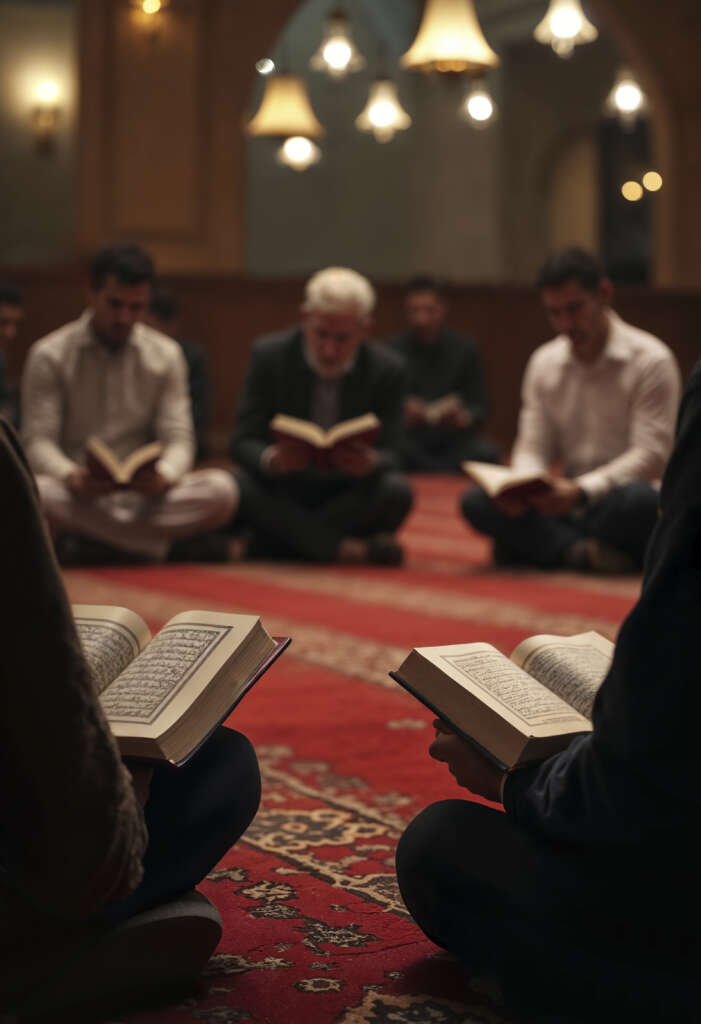
- Students learn to read the Qur’an with the correct rules and pronunciation. They are given lessons on a regular basis and memorise Ayat throughout the two years.
- Students will also learn the Obligatory Knowledge every accountable person is obligated to know. This comprises the Obligatory Knowledge pertaining to belief, issues from Purification (Taharah) up to Pilgrimage (Hajj), and some rules of dealings according to the school (Madhhab) of Imam Ash-Shafi^iyy. The sins of the heart and of other organs, such as the tongue, are also included.
Al Amanah Collegestudents develop a strong foundation in Islamic values, beliefs, and practices. Islamic studies are designed to nurture faith, character, and a deep understanding of Islam, aligning with NSW NESA curriculum guidelines and Islamic educational best practices.
We provide a balanced approach to Islamic education, combining academic study, spiritual development, and practical applications of Islamic teachings in daily life.
Purpose
Instill a love for Islam
Empower students
Homework & Assessments (Aligned with NSW NESA Standards)
Homework Tasks
- Memorization Practice – Students recite daily duas at home.
- Reflection Journals – Write about a Prophet’s story and its lesson.
- Islamic Research Projects – Example: Design a poster on “How to Perform Wudu”.
Assessment Types
- Oral Assessments – Qur’an recitation & dua memorization.
- Written Assessments – Short quizzes & essays on Islamic topics.
- Practical Assessments – Demonstrating wudu, salah, and manners.
Digital & Online Learning Resources
Online Platforms for Learning
- Qur’an Learning Apps (e.g., Quran Explorer, Ayat)
- Islamic Story Videos (e.g., The Prophets’ Stories series)
- Interactive Islamic Games (e.g., Islamic Trivia, Arabic Letter Recognition)

Curriculum Overview (Aligned with NSW NESA & Islamic Studies Standards)
The Primary Islamic Studies curriculum covers:
- Aqeedah (Beliefs & Faith) – Understanding the six pillars of faith.
Fiqh (Islamic Practices) – Learning about prayer, fasting, charity, and purification. - Qur’an Studies – Reading, memorization, and interpretation of Surahs and Duas.
- Seerah (Life of Prophet Muhammad ﷺ) – Lessons from the life of the Prophet and his companions.
- Akhlaq & Adab (Character & Manners) – Developing good moral conduct in daily life.
Example: Year 3 Aqeedah Lesson
- Topic: “Belief in Allah – The Oneness of God”
- Activity: Students create a poster illustrating the 99 Names of Allah and explain how one name applies to their life (e.g., Ar-Rahman – The Most Merciful).
🕌 Key Learning Areas & Teaching Methods
Islamic Beliefs & Theology (Aqeedah)
Students learn about Tawheed (the Oneness of Allah), Prophets, Angels, Holy Books, the Day of Judgment, and Qadr (Destiny).
Example Activity
Interactive Storytelling
Teachers use props and role-play to explain the concept of Tawheed, making it relatable for young learners.
Acts of Worship (Fiqh & Ibadah)
Students practically learn how to perform:
1- Wudu (Ablution)
2- Salah (Daily Prayers)
3- Sawm (Fasting in Ramadan)
1- Zakat & Sadaqah (Charity & Giving)
Example Activity
Wudu Workshop
A step-by-step demonstration where students practice wudu using an interactive station. Older students act as "wudu guides" for younger peers.
Qur'an Reading, Recitation & Memorization
Our Qur’an lessons focus on:
1- Tajweed (Proper Pronunciation)
2- Memorization of Short Surahs (Juz Amma)
3- Understanding the Meaning & Tafsir (Interpretation)
Example Activity
Qur'an Recitation Challenge
Students compete in a friendly Qur'an recitation contest, judged on Tajweed and fluency.
Seerah & Stories of the Prophets
Students learn about the life and teachings of Prophet Muhammad ﷺ and previous prophets.
Example Activity
Prophet Stories Journaling
After learning about Prophet Nuh’s (AS) patience, students write a reflection on how they can practice patience in their daily lives.
Islamic Manners & Ethics (Akhlaq & Adab)
Character development is at the core of Islamic education. We teach:
1- Respect for parents, teachers, and elders
2- Honesty, kindness, and patience
3- Good speech & avoiding harmful words
Example Activity
Kindness Tree
Students write acts of kindness on paper leaves and attach them to a classroom tree to encourage good behavior.
Engaging Activities & Programs
Islamic Events & Celebrations
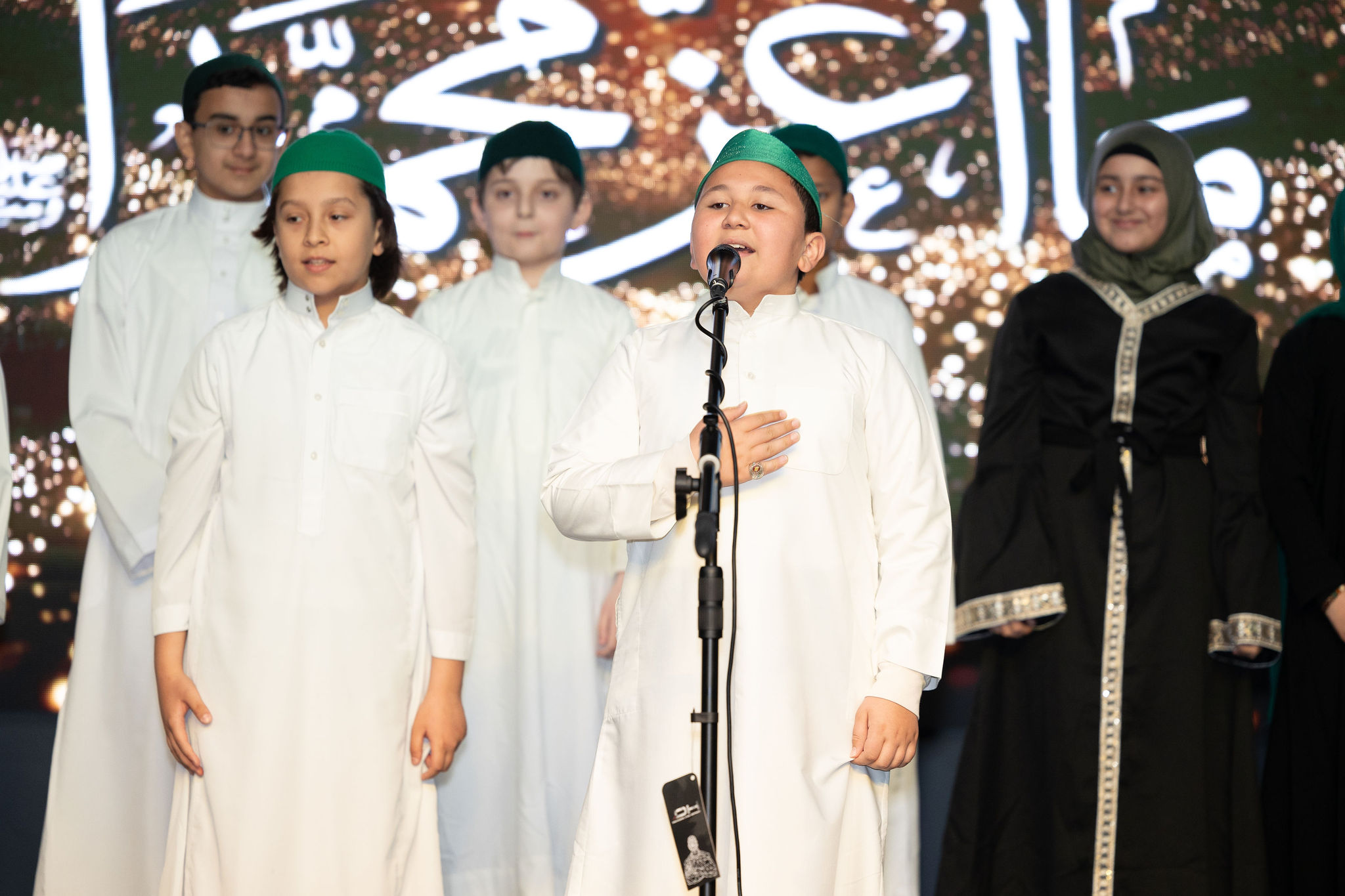
We celebrate Islamic occasions with special activities:
- Ramadan & Eid Celebrations – Fasting challenges, storytelling, and charity drives.
- Hajj Simulation – Hands-on experience of the pilgrimage journey.
- Islamic Quiz Competitions – General knowledge contests about Islam.
Example Event
Mini-Hajj Program: Students dress in Ihram, learn about the Hajj steps, and perform a mock Tawaf around a model Ka’bah.
Weekly Islamic Values Program
Each week, students focus on an Islamic value (e.g., gratitude, patience, forgiveness) and apply it in daily life.
Example: Week of Gratitude
Qur’an Connection:Surah Ibrahim (14:7) – “If you are grateful, I will surely increase your blessings.”
Class Activity: Students create “Gratitude Jars”, writing things they are grateful for.
Parent & Community Engagement
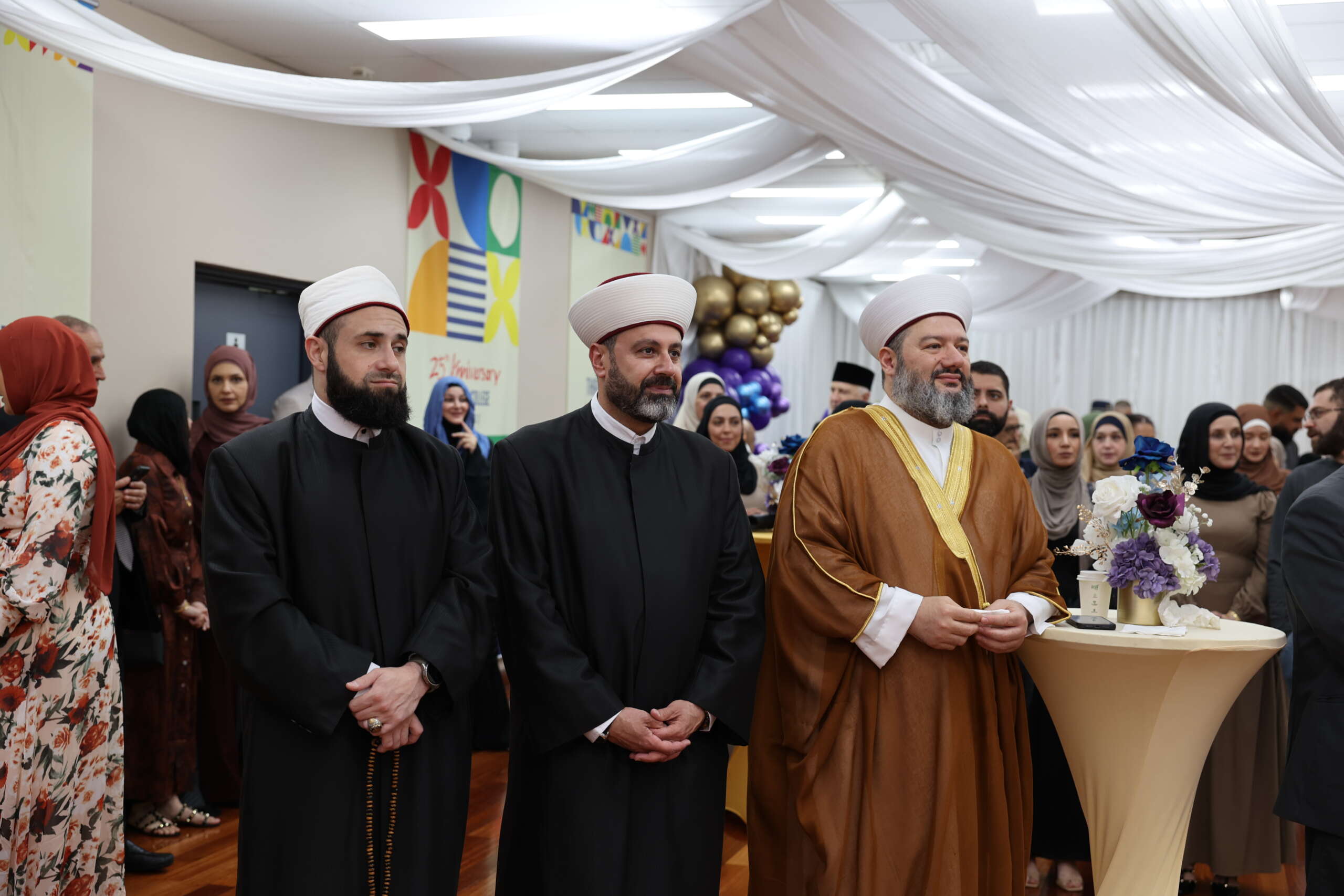
We encourage parents to be active participants in their child’s Islamic education.
Parent Workshops – “How to Teach Islamic Values at Home”.
Family Qur’an Nights – Parents & students recite Qur’an together.
Community Charity Drives – Families participate in Sadaqah & Zakat projects.
Example Program
"Family Sadaqah Project" – Each student chooses a charity act (feeding the needy, donating clothes, helping a neighbor) and presents their experience to the class.
Why Choose Our Primary Islamic Studies Program?
Engaging, hands-on Islamic education tailored for young learners.
Alignment with NSW NESA curriculum for structured learning.
- Strong moral & character-building foundation based on Islamic teachings.
- Interactive and fun learning experiences that make Islam relatable.
- Support for parents & families in reinforcing Islamic values at home.